







How Enterprises Use Crypto to Cut the Cost of Cross-Border Payments

How Enterprises Use Crypto to Cut the Cost of Cross-Border Payments

Cross-border payments remain a major challenge for companies operating internationally. Traditional bank wires are usually slow, costly, and operationally complex. Each cross-border transaction passes through several intermediaries, includes foreign exchange conversions, and may take several days to complete. For businesses handling frequent international payments, these delays directly affect cash flow, working capital, and the ability to act quickly. While funds remain in transit, companies face limits on payroll execution, supplier payments, and timely investments.

As a result, more enterprises are turning to crypto to reduce the cost and friction of international transfers. When regulated digital assets are used for business payments, companies gain faster settlement, more transparent pricing, and less dependence on traditional banking infrastructure. Crypto remittance for business enables direct value transfer between sender and recipient through a single platform, removing unnecessary steps and lowering cross-border costs. Crypto does not replace banking systems but complements them, offering an effective option where traditional rails become inefficient.

Reducing Costs in Cross-Border Operations

International bank wires involve multiple layers of fees. Each intermediary bank applies processing charges, while currency conversion adds additional costs. Over time, these expenses accumulate and reduce margins. Crypto reduces cross-border costs by removing intermediaries from the settlement process. Funds move directly from the business to its partner, with fees clearly displayed on the platform. This transparency allows treasury teams to forecast expenses accurately and allocate capital toward growth rather than covering unpredictable payment charges.

Crypto-based payments also reduce dependence on constant FX conversions. Enterprises can hold digital assets in the required currency or convert them on demand at competitive rates. This flexibility is especially valuable for recurring settlements, supplier payments, and international payroll. Same-day processing frees working capital and improves liquidity without relying on short-term borrowing or overdraft facilities.

Practical Alternatives to Traditional Banking

Crypto-based solutions serve as bank wire alternatives for cross-border payments. The underlying technology enables fast, accurate, and fully traceable transactions. Each payment is recorded with a complete audit trail, supporting compliance and reporting requirements. Real-time visibility into cash positions reduces the need to hold excess reserves and improves cash management. Treasury teams can integrate crypto settlement into existing workflows without disrupting accounting controls or internal approval processes.Instant crypto settlement is particularly important for industries with tight margins or extended supply chains. Shorter payment cycles help businesses maintain stronger supplier relationships, negotiate better terms, and respond faster to market opportunities. Fewer payment intermediaries also reduce operational risk, as there are fewer points in the chain where delays or failures can occur.

Enhanced Cash Flow and Operational Efficiency

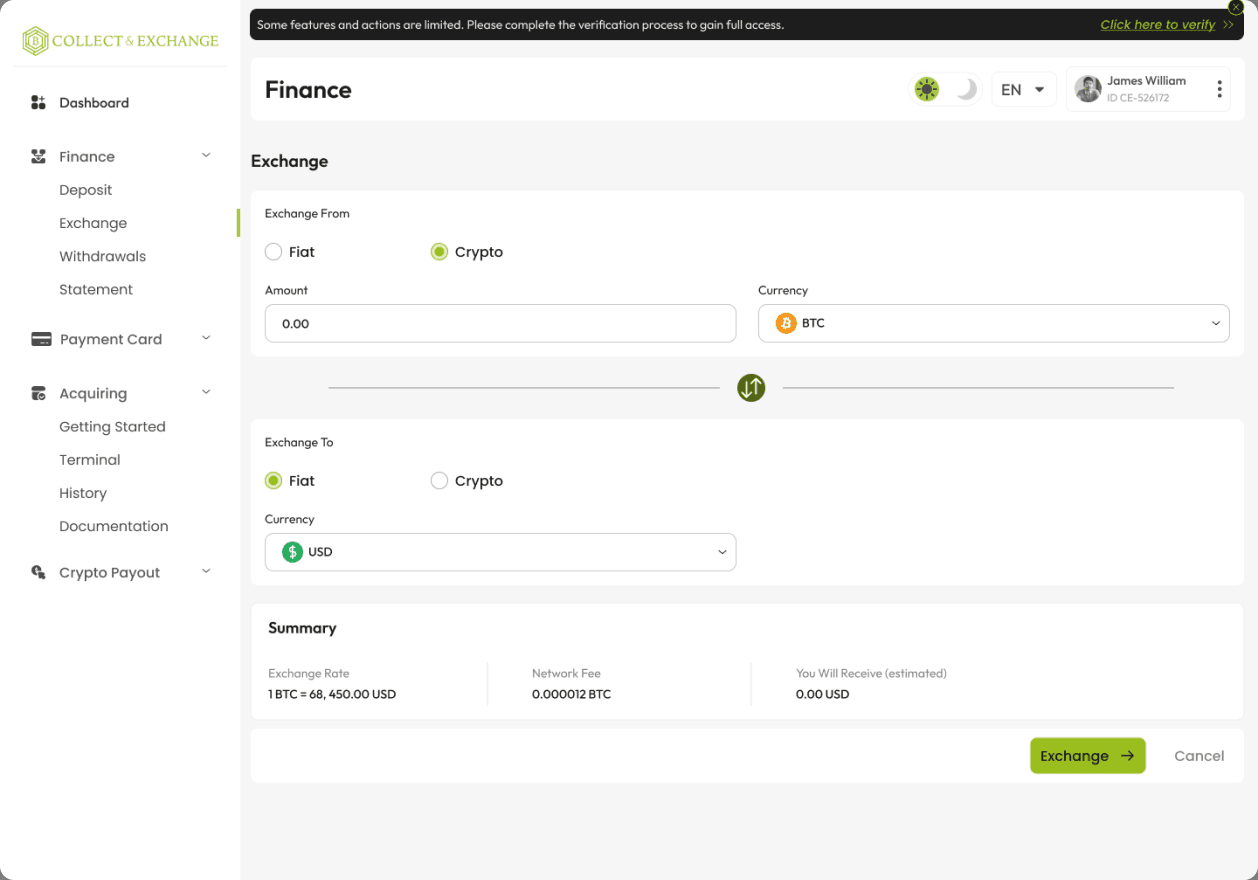
Lower FX fees and faster settlement directly improve the effectiveness of crypto remittance for business.Enterprises no longer need to wait several days for international transfers to clear. Funds can be converted into fiat currency on regulated platforms and transferred to corporate accounts almost immediately. This continuity allows treasury teams to preserve existing controls and reporting frameworks while managing liquidity more dynamically.

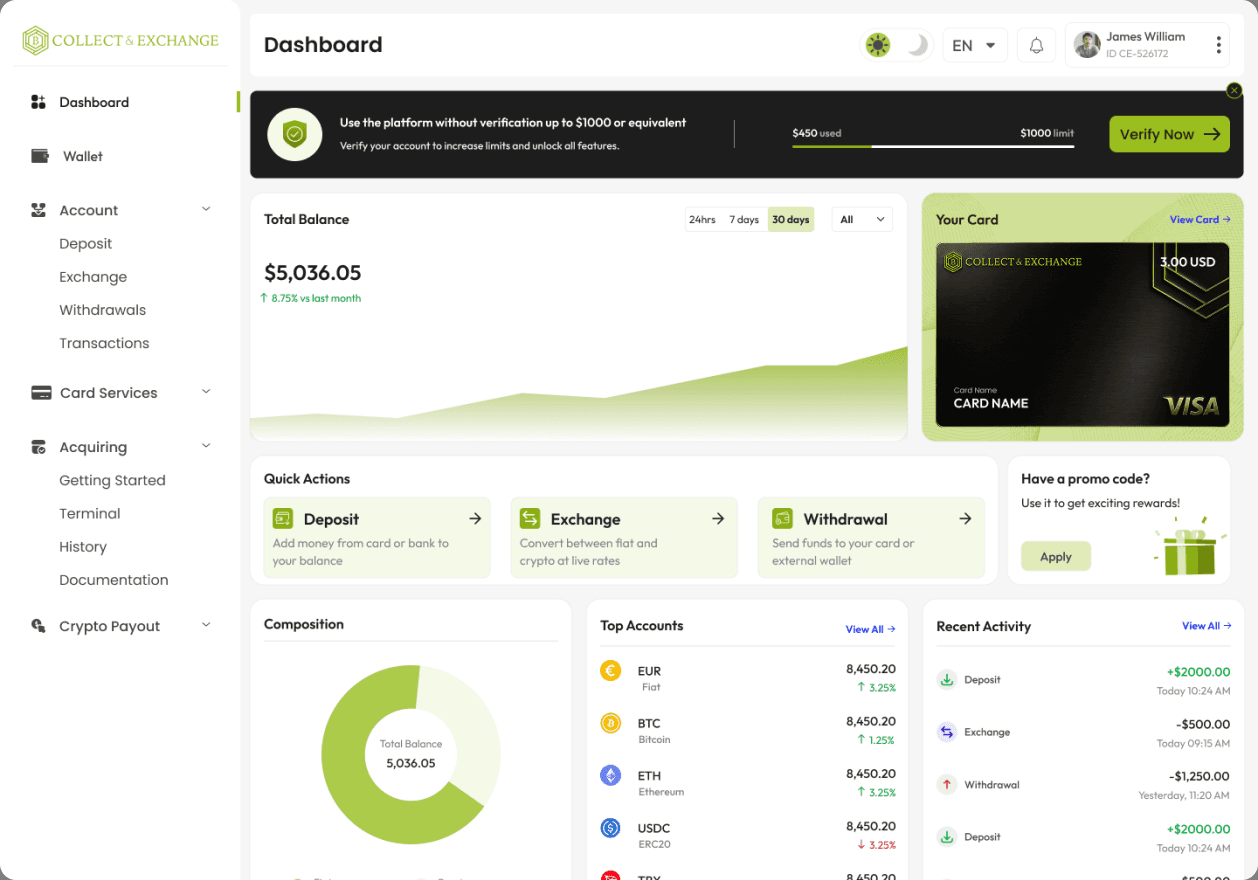
Crypto settlement also supports treasury automation. Finance teams can schedule payments, convert assets, and reconcile transactions in real time. Automation reduces operational errors and frees resources, allowing teams to focus on planning and expansion rather than manual processing. The transparency of crypto platforms improves forecasting, decision-making, and overall allocation of financial resources.

Strategic Advantages of Crypto Adoption

Enterprises adopt crypto for cross-border payments because it solves practical problems, not because of speculation. Companies using crypto benefit from predictable settlement timing, clearer cost structures, and improved visibility into cash positions while remaining compliant. Crypto can be embedded into existing financial processes such as invoicing, payroll, supplier payments, and international transfers. It works alongside traditional banks, ensuring operations remain stable and uninterrupted.

As familiarity with regulated crypto platforms grows, digital assets become a standard treasury tool rather than an experimental solution. Faster payment cycles, streamlined processes, and lower costs improve competitiveness. By integrating crypto, enterprises operate more efficiently across borders, optimize working capital, and maintain full control over treasury operations.

Enterprises using crypto for cross-border payments achieve tangible results: lower foreign exchange fees, fewer intermediaries, faster settlement, and clearer cash visibility. Crypto remittance for business has evolved into a compliant and reliable alternative to traditional bank wires. Digital assets support better treasury management, stronger cash flow, and long-term competitiveness. By adopting crypto settlement, enterprises gain a practical way to reduce costs, improve liquidity, and support growth in a global economy.